

1. Stay Informed with Real-Time Energy Monitoring
Understanding your energy consumption patterns is pivotal. By leveraging advanced monitoring tools, you can gain insights into your daily usage, identify peak consumption times, and adjust accordingly. This proactive approach ensures you’re making the most of your solar system’s output and avoiding unnecessary energy draw from the grid.
With real-time monitoring, you can spot inefficiencies, detect potential system issues early, and even compare usage trends over time. Complete Solar Solutions’ monitoring platform centralizes data from systems like Enphase, SolarEdge, and Tesla, giving you a full-picture view of how your system is performing. Knowing what’s normal and what’s not puts control back in your hands—and puts more money back in your pocket.
2. Optimize Appliance Usage Timing
Electricity rates often fluctuate throughout the day, with peak hours typically in the late afternoon and evening. By scheduling high-energy tasks—like laundry, dishwashing, or electric vehicle charging—during off-peak hours or when your solar production is at its peak, you can significantly reduce reliance on grid power and lower your utility bills.
Time-of-use electricity pricing makes this strategy even more valuable. If your utility company charges more for energy used during peak demand periods, shifting your habits can result in substantial monthly savings. Smart home devices and programmable appliances make this easy to implement, automating your energy-heavy tasks to align with your solar output. Every kilowatt-hour you self-consume instead of pulling from the grid equals greater savings.
3. Enhance Home Energy Efficiency
Complement your solar system with energy-efficient home upgrades. This includes installing LED lighting, upgrading to ENERGY STAR-rated appliances, improving insulation, and sealing any drafts. Such enhancements reduce overall energy demand, allowing your solar system to cover a larger portion of your consumption and increase overall savings.
The less energy your home requires, the more impactful your solar system becomes. Efficient homes need fewer panels to meet their energy needs, meaning your investment stretches further. Conducting a home energy audit can reveal hidden inefficiencies that, when fixed, not only boost your solar ROI but also improve indoor comfort and lower your total utility costs year-round.
4. Plan for Seasonal Variations
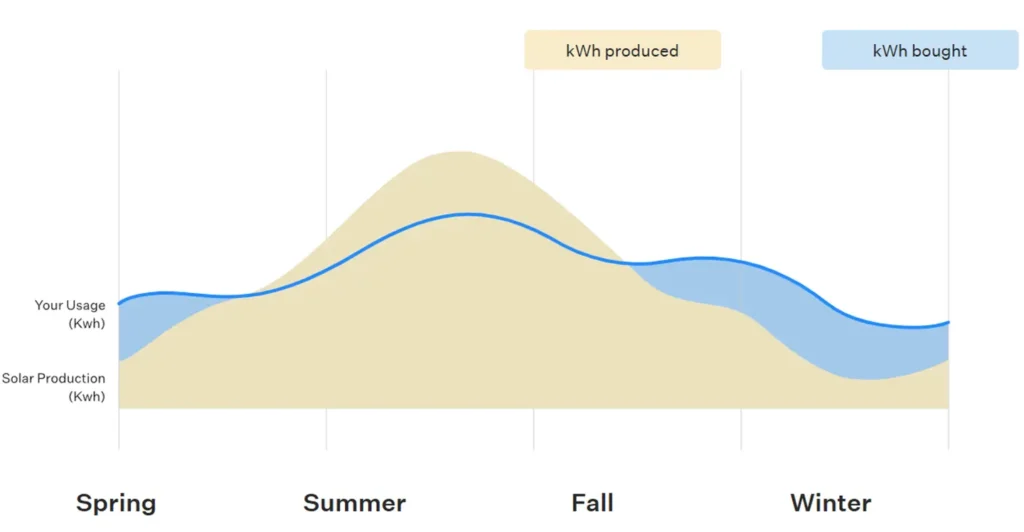
Solar energy production can vary with the seasons due to changes in daylight hours and weather conditions. By anticipating these fluctuations, you can adjust your energy usage patterns accordingly. For instance, during shorter winter days, be mindful of increased heating needs and consider energy conservation measures to maintain optimal savings.
Longer summer days provide an opportunity to generate excess energy—perfect for charging batteries, powering more appliances, or banking credits if you’re on a net metering plan. During lower-output months, be strategic: lower your thermostat slightly, delay discretionary energy use, and take advantage of backup storage when needed. Being aware of seasonal shifts keeps your expectations realistic and your solar performance optimized year-round.
By implementing these strategies, you not only enhance your solar savings but also contribute to a more sustainable and energy-efficient lifestyle. Remember, the key to maximizing your solar investment lies in informed decisions and proactive energy management. Working with a partner like Complete Solar Solutions ensures you always have expert support to help guide those decisions and get the most from your solar system—day in, day out.

